Environmental Emergency: From Conversation to Action through creativity and community
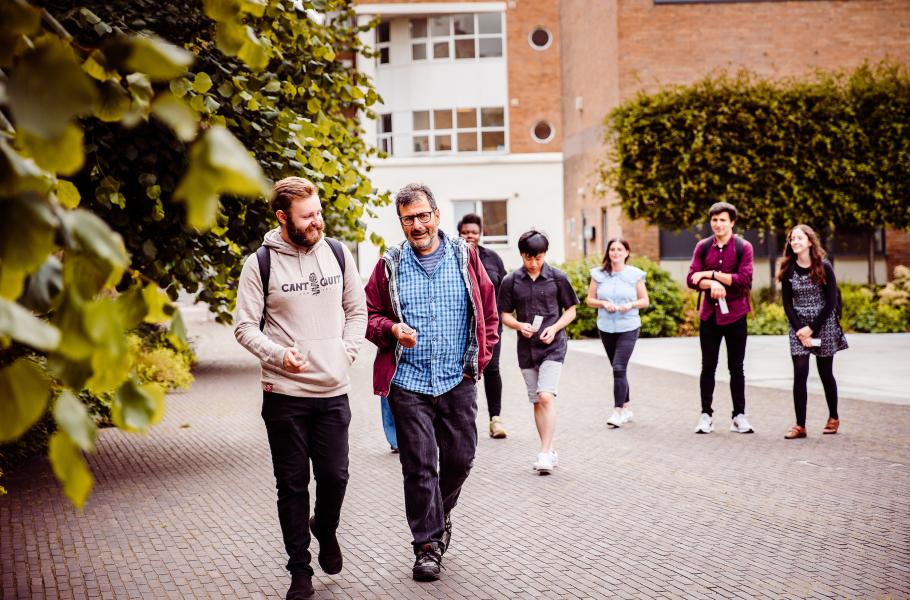
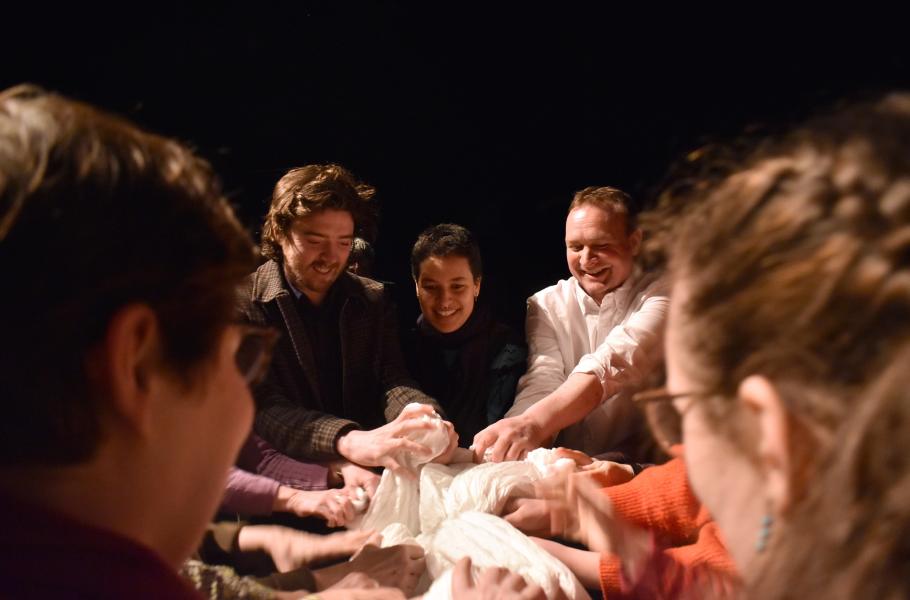
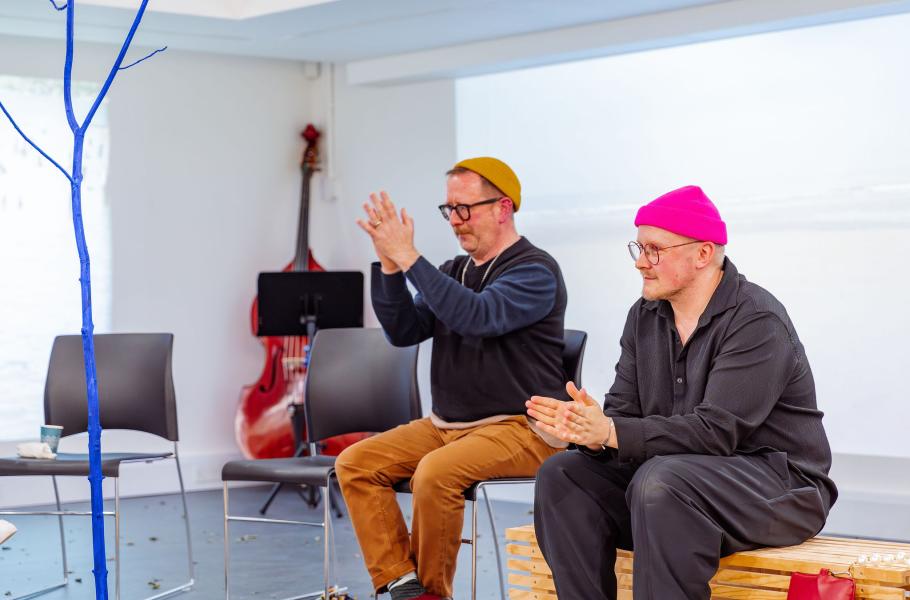
In April and May 2026, Lancaster Arts hosted two events connected to the People’s Emergency Briefing, a growing national movement bringing communities together to respond to the climate and ecological emergency. Presented in collaboration with Small World Consulting, the first event centred on a screening from The People’s Emergency Briefing, followed by a conversation about how we were feeling and what stayed with us after watching it. Central to the approach was the idea that we should not simply watch the film, but have space to respond together through open dialogue, particularly with people we may not already know. A second gathering in May, People’s Emergency Briefing: Next Steps in Lancaster, created space for a deeper exploration of what these issues mean locally, inviting us into wider discussion, creative exercises and collective thinking about how we might respond to the environmental emergency here in Lancaster.
Together, the events created opportunities for people from across Lancaster’s communities to reflect on individual and collective responses to the global emergency. Through discussion, reflective exercises and conversation, both events explored how imaginative and collective approaches can help us navigate challenging conversations, build connections across difference, and imagine new forms of civic participation and dissent.
Alice Booth, Producer at Lancaster Arts, reflects on the conversations, activities and shared thinking that emerged across the two gatherings.
What happens when people come together to face the environmental emergency, not through debate or data alone, but through creativity, conversation and shared imagination?
That question sat at the heart of People’s Emergency Briefing: Next Steps in Lancaster, which brought together residents, campaigners, educators, students, parents and community organisers for an evening of reflection, discussion and practical action.
The gathering was designed and facilitated by Mike Berners-Lee, Chair of the National Emergency Briefing and Professor in Practice at the Lancaster Environment Centre, and Jocelyn Cunningham, Director of Lancaster Arts. Together, they combined environmental research, creative facilitation and imaginative approaches to public dialogue.
The session opened by inviting us to reflect back on the film we saw at the briefing in April, what we took away from it and what has stayed with us. We were encouraged to reflect on the first action we might take in response, however small, as well as what gives us hope. The emphasis was on listening as much as speaking, creating conversations that could move beyond certainty, judgement or instruction, and allowing us to think together across different experiences and perspectives.
The discussions moved between personal action and wider systemic change, emphasising the need for both. We were invited to think specifically about Lancaster and the wider Morecambe Bay area: what is already happening here, what communities are already doing, and what kinds of action feel possible locally. What can we do that adds value to what is already happening?
Rather than dwelling on crisis and uncertainty, the evening focused on something more hopeful and constructive: agency. What can we do together? How can creativity help us connect with our own reactions as well as others? And how do we involve people who are not already in the room?
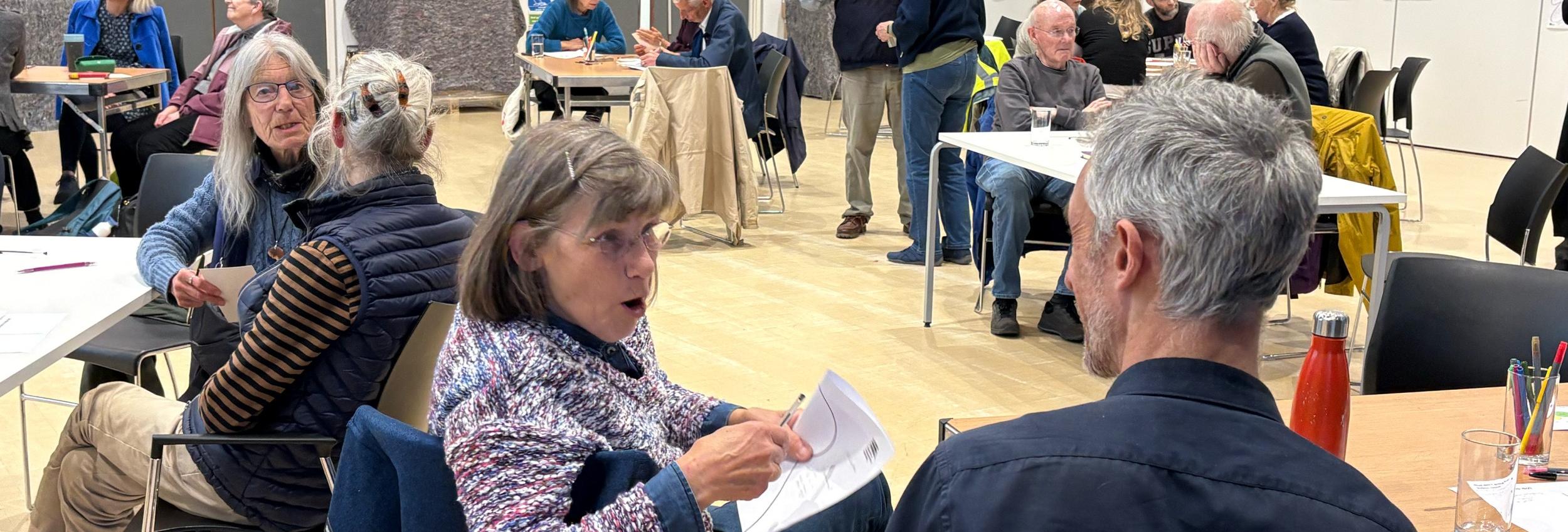
Throughout the evening, tables filled with handwritten notes, ideas and observations. We mapped local initiatives already taking place across the district, from regenerative farming and community growing to political organising, schools’ projects and local environmental campaigns. The “gallery of ideas” gradually expanded across the walls, building a visible picture of collective action already underway. We were encouraged to notice the gaps, and to think about what might be missing from this impressive breadth of activity.
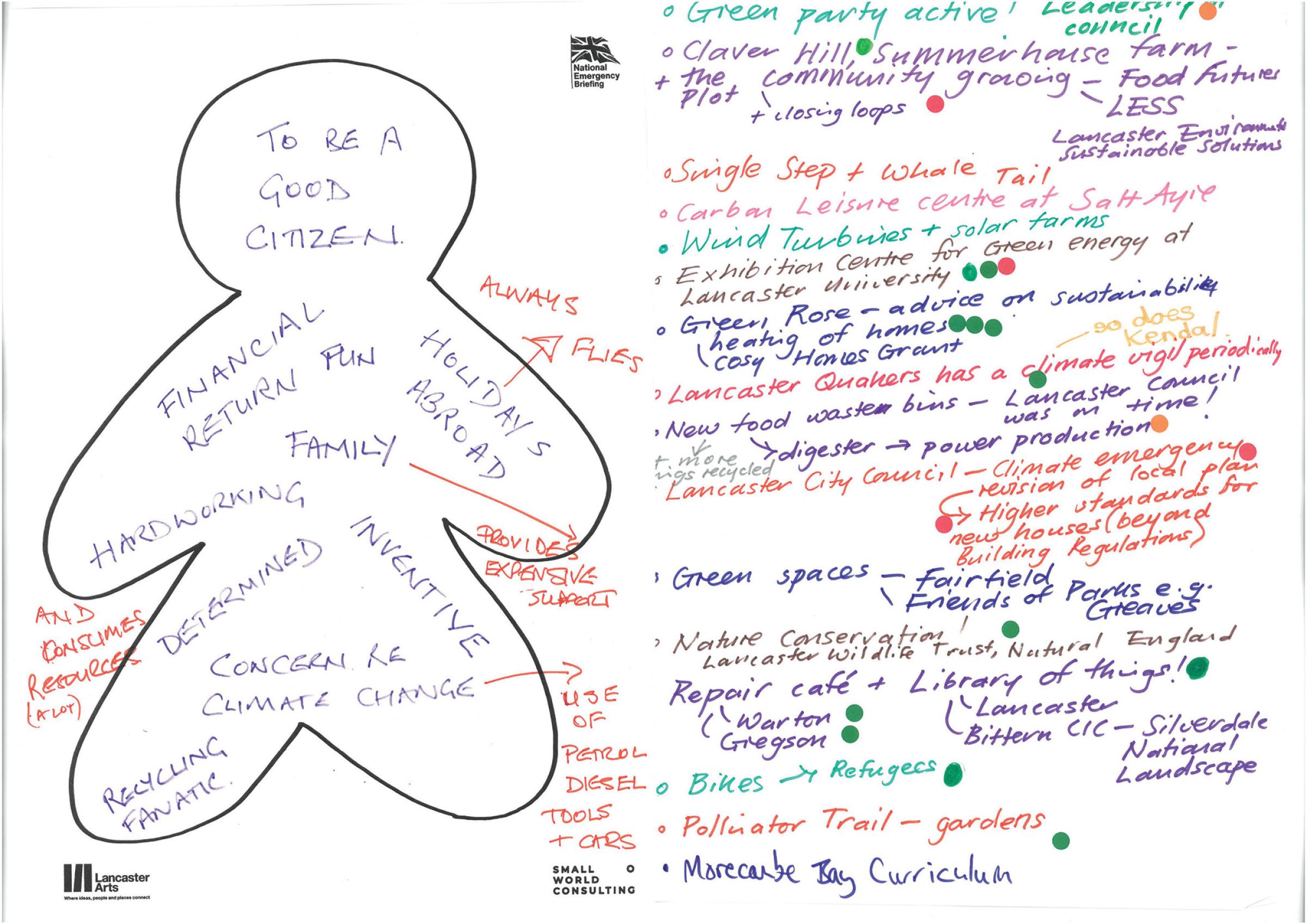
Alongside practical discussion, the session also created space for quieter, more reflective forms of engagement. In one creative exercise, we were asked to think about someone who was not present in the room: a neighbour, friend, relative or colleague who might feel disconnected from conversations about the environmental emergency.
Working with simple gingerbread person outlines on paper, we were invited to do two things. Inside the line, write down what we imagined mattered most to that person: family, security, work, belonging, financial pressure. On the outside, write down thoughts about how they moved through and engaged with the world. The exercise encouraged us to move beyond assumptions and think carefully about empathy, barriers and communication.
It became clear that one of the biggest challenges in responding to the climate and ecological crisis is not simply a lack of information, but the difficulty of having meaningful conversations across difference. We discussed how to speak to people without judgement, how to start from shared values rather than conflict, and how creativity, humour and storytelling can sometimes open doors that statistics alone cannot.
One participant reflected on the importance of “light messaging” for a heavy subject. Another spoke about the value of practising conversations internally before having them in real life. Others reflected on the importance of beginning close to home, through conversations with family, friends and people encountered in everyday life.
What emerged across the evening was a strong sense that responding to the environmental emergency is not only about policy, but about relationships: building confidence, finding common ground, and creating spaces where people feel able to participate.
The session also emphasised action on every scale. We shared ideas for contacting MPs, supporting local food initiatives, hosting local screenings of The People’s Emergency Briefing, creating spaces for discussion, and building networks of mutual encouragement and accountability. Rather than focusing solely on large-scale solutions, the event encouraged us to identify meaningful next steps that felt achievable and personal.
At the close of the evening, we were invited to write down three commitments: small but concrete actions we would take over the coming weeks. Some of us planned conversations. Others planned events, creative projects or political engagement. The emphasis was not on perfection, but momentum.
Importantly, the event recognised that conversations about the environmental emergency can often feel emotionally difficult or isolating. By bringing people together in a shared physical space, with tea, cake, discussion and creativity, the session demonstrated another way of approaching the environmental emergency: collectively, imaginatively and with care.
As one participant observed at the end of the evening, these conversations matter because they help people move beyond fear or paralysis and towards connection and action.
The conversations sparked during the events will continue informally at a community picnic at Claver Hill on 12 July 2026. Rather than a structured programme, the gathering will offer an opportunity for people to share food, spend time together, bring friends and family, make new connections and continue reflecting on climate, creativity and collective action in an open and welcoming environment.
Further People’s Emergency Briefing events are also continuing across the region, with screenings and discussions taking place in locations including Liverpool, Barrow and Heyton, as the network of conversations continues to grow.
These conversations also connect to Lancaster Arts’ wider programme this year, shaped by our theme of Dissent. Across the two gatherings, dissent emerged not simply as opposition, but as a collective practice of questioning assumptions, challenging inertia, and finding new ways of relating to one another in the face of climate and ecological crisis. Creativity became part of that process: a way of listening differently, imagining differently, and creating space for conversations that can often feel difficult or impossible elsewhere.
The events did not seek to arrive at fixed conclusions, but to open up a continuing process of shared reflection, responsibility and action. What happens next will evolve through the people, relationships and ideas already beginning to take shape across Lancaster and beyond.