We’re Never Going to Know: Making X&Z at Lancaster Arts
In early 2026, Lancaster Arts began work on X&Z, a new long-term artwork by artist Mats Staub, developed in collaboration with co-producer Tim Harrison from We Live Here. The project brings together pairs of people aged 14–16 and 40–60, who meet in filmed conversations once a year over four years. These filmed encounters will eventually form part of a large-scale international installation presented across partner cities including Lancaster, Berlin, Frankfurt, Bern and Cairo in 2030.
Reflecting Lancaster Arts’ annual themes of Dissent (2026) and Time (2027), X&Z creates space for people from different generations to listen, reflect and speak openly about their lives and experiences. Through a simple but carefully held structure, the project offers a quieter and more sustained counterpoint to the speed, certainty and noise that often shape public conversation.
Alice Booth, Producer at Lancaster Arts, reflects on the process of developing the work, focusing on collaboration, care and what it means to create the conditions for meaningful encounters to emerge over time.
The structure is simple: two people from different generations, one at the beginning of adult life and one further along, sitting down together for just over an hour.
A conversation.
What happens when you bring those two positions together? What assumptions fall away? What is offered, recognised, resisted or rethought in the space between them?
Everything about the work begins there.
But everything about the work also depends on who those two people are, and what happens between them in the room.
Our role as producers, working closely with Mats and co-producer Tim Harrison from We Live Here, began before any filming took place. It started with finding participants, getting to know them, and then carefully pairing them.
The way people are brought together shapes what the work becomes.
Across long conversations around tables, in shared documents and through slow, often provisional exchanges, we thought carefully about pace, tone, confidence and difference. About who might challenge each other, who might make each other feel at ease, who would listen generously, and where unexpected connections might emerge.
And because this is an intergenerational project, those decisions carried a particular kind of responsibility. The younger participants are at a vulnerable and formative point in life, on the cusp of adulthood, already full of thought and selfhood, but still becoming. Much of the care in the selection process began there. But the conversations also asked a great deal of the older participants, inviting reflections on choices, relationships, regrets, identity and change. Across generations, people were bringing different kinds of vulnerabilities into the room.
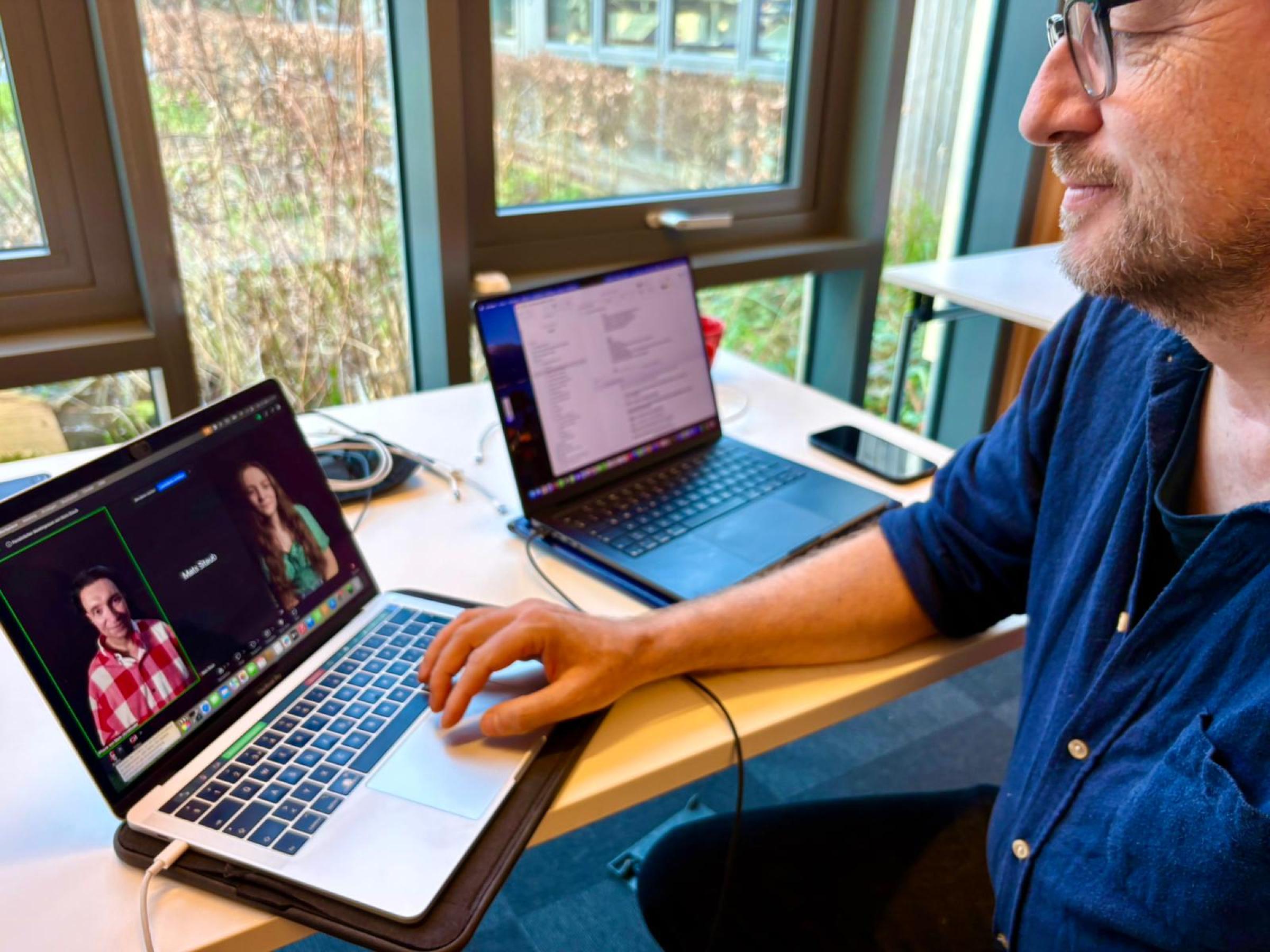
Part of the process also involved thinking about how to move beyond easy assumptions or judgement between generations, and instead create the conditions for curiosity, disagreement and recognition.
It is in that context that a moment from one of our planning meetings has stayed with me. In the middle of discussing possible pairings, weighing up who might work and who might not, someone said, almost lightly, “We’re never going to know.”
It did not land as doubt but more as recognition.
That ‘not knowing’ is where the work begins.
For Mats Staub, that openness to uncertainty is central to his practice:
"My projects are built around creating the conditions for something genuine and unexpected to happen. The main task is to devise a set of circumstances within which something uncontrollable can happen. That requires a great deal of care, which is why the conversations we had while preparing X&Z were so important."
Sometimes that thinking was explicit. A concern that pairing two very talkative people might become overwhelming. A question about whether someone quieter would be able to stay present or might retreat. Sometimes it was more instinctive: a hesitation that was hard to name, or a sense that something did not quite sit right.
At one point, someone described a participant as a wildcard: interesting, unpredictable, a risk. There was a pause around that. A weighing up. And then a quiet recognition that risk was not something to be designed out. But nor could it come at the expense of care.
We did not want only safe conversations. But we did want spaces where people could feel met.
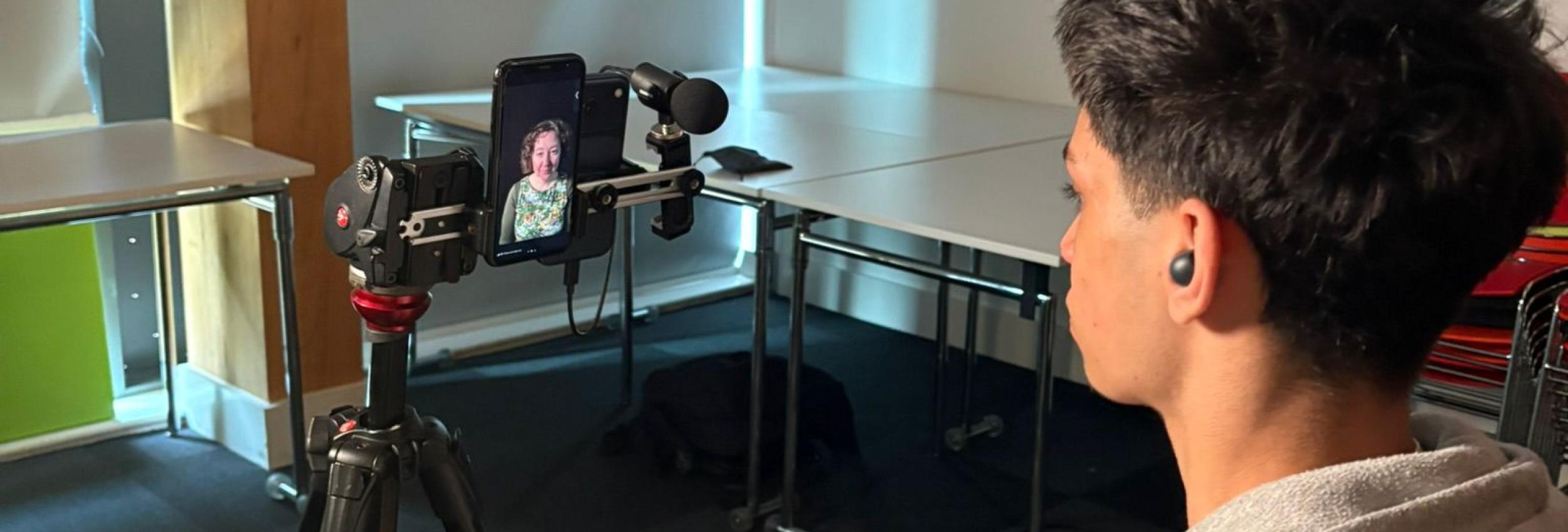
When the filming began, those earlier decisions started to take on a different kind of clarity. Each pair met for just over an hour, guided but not led, moving through questions that opened out rather than closed down.
The conversations brought together people at very different stages of life: teenagers still imagining who they might become, and adults reflecting on lives shaped by work, parenthood, relationships, travel, separation, compromise, uncertainty and change. What emerged between them unfolded across very different experiences of time, responsibility and possibility.
In one conversation, a younger participant spoke about wanting to travel and experience different ways of living beyond the UK. Their partner responded by talking about a period of living abroad in midlife, and the uncertainty and improvisation that had come with it. Later, the younger participant reflected that hearing someone speak honestly about “winging it” had shifted his thinking about his own future.
In another conversation, music became a way into memory. One participant described listening to the same album repeatedly for months at a time, and how hearing it again years later could bring an entire period of life back into focus.
One of the prompts, set by Mats, asked each participant to bring a piece of music that mattered to them. A simple instruction, but one that felt surprisingly profound. There is a vulnerability in offering a piece of music to someone and then watching them listen to it in real time. It reveals something of who you are, or who you have been.
And then there was the act of listening itself. Some people sang along, knowing every word. Some listened intently, aware that what they heard was not just a song but an offering, something chosen, something that said: this is part of me.
Across the conversations, certain themes recurred. Politics, AI, the pace of technological change, questions about work, identity and the future. But they did not settle into fixed positions. Instead, they moved between perspectives, shaped by the different points in life that each participant occupied.
These moments were made possible by the generosity of the participants, in what they chose to share, and in the care and attention they brought to listening to one another.
From the outside, it may not sound like very much is happening. Two people, just over an hour, once a year. It does not produce immediate outcomes.
But this is where the work resides.
For us, projects like X&Z begin with relationships, with time, and with the conditions that allow something to develop. Process is not something that sits before the work. It is the work.
That way of working involves risk. It requires decisions to be made without full information, and a willingness to trust both instinct and experience. It allows for the possibility that things may not resolve neatly, and that value may not be immediately visible.
But projects like this also ask a broader question about how we listen across generations at a moment when public discourse increasingly encourages people to flatten one another into assumptions and stereotypes. X&Z creates a slower space, one built around attention rather than reaction.
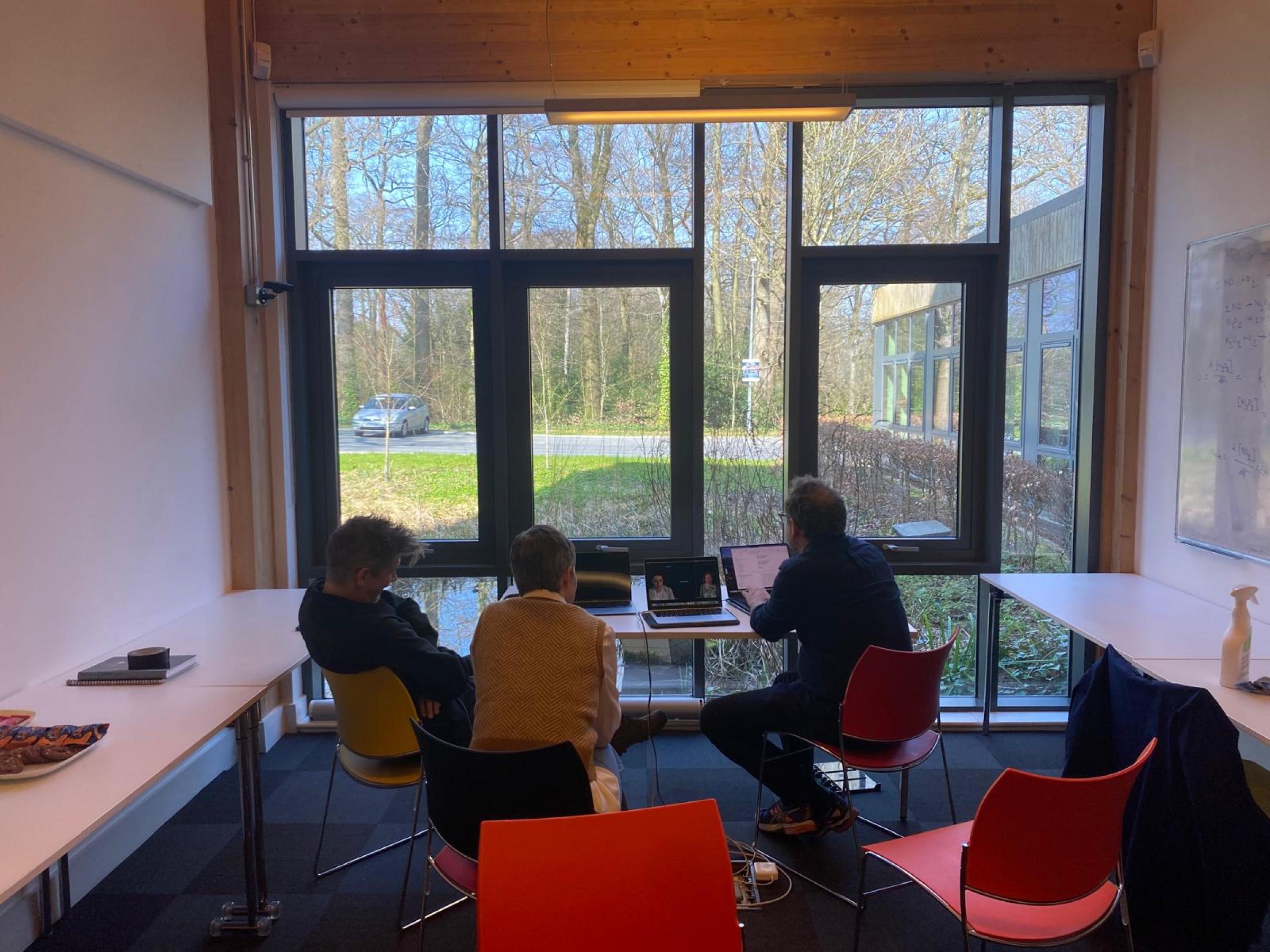
Co-producer Tim Harrison reflects on what he has learned through collaborating with Mats across a number of projects:
"Working with Mats over many years has changed how I think about artists, and about people. His projects are carefully designed to help participants feel safe enough to explore questions they might not usually ask themselves. There is real craft in the way people are prepared, welcomed and listened to. Watching these conversations unfold reminded me how rich and complex people are, and how art can create a powerful antidote to the alienation and polarisation that increasingly shape public life."
Instead, value may be found in something smaller and less tangible. In a shift in how someone thinks about their future. In the experience of being listened to, or of listening differently. In the meeting of two people who might not otherwise have met, and what unfolds from that encounter over time.
“We’re never going to know.”
Not fully, and not in advance.
But in a project like this, not knowing is not something to overcome.
It is what makes the work come alive.
The questions raised through X&Z extend beyond the project itself and into Lancaster Arts’ wider programme. As we move through our annual themes of Dissent and Time, this work offers a way of thinking about how attention, listening and lived experience can create a quiet but meaningful counterpoint to dominant forms of public discourse.
Over four years, the conversations at the centre of X&Z will continue to unfold, shaped by the lives of the participants and the relationships that develop between them. What emerges will not be immediate or fixed, but held across time, returning, shifting and deepening.
The work will eventually be shared as an installation at Lancaster Arts in 2030, alongside a curated selection of filmed encounters from Berlin, Frankfurt, Bern and Cairo, as part of a single international artwork presented across all partner venues. What audiences encounter then will be shaped by everything that has happened along the way.
In that sense, the project reflects a broader commitment within our programme: to support work that is attentive, relational, and open to what cannot yet be fully known, but may emerge over time if given the space to do so.